Power Generation
Power generation facilities require valves that perform reliably under high pressure, high temperature, and continuous operation. FTS supplies butterfly valves for cooling water and auxiliary systems, control valves for boiler feedwater and steam regulation, and instrumentation for turbine monitoring and emissions compliance. Our product lines serve coal, gas, biomass, and cogeneration facilities across the Southeast.
Common Valve Applications in Power and Energy and How FTS Approaches Them
At the heart of every power plant sits a small set of severe-service valves that are engineered, OEM-locked, and outage-critical. Wrapped around that core is a much larger population of valves, instruments, and accessories that wear out on a schedule and get bought over and over. Knowing which is which is the whole art of supplying this industry.
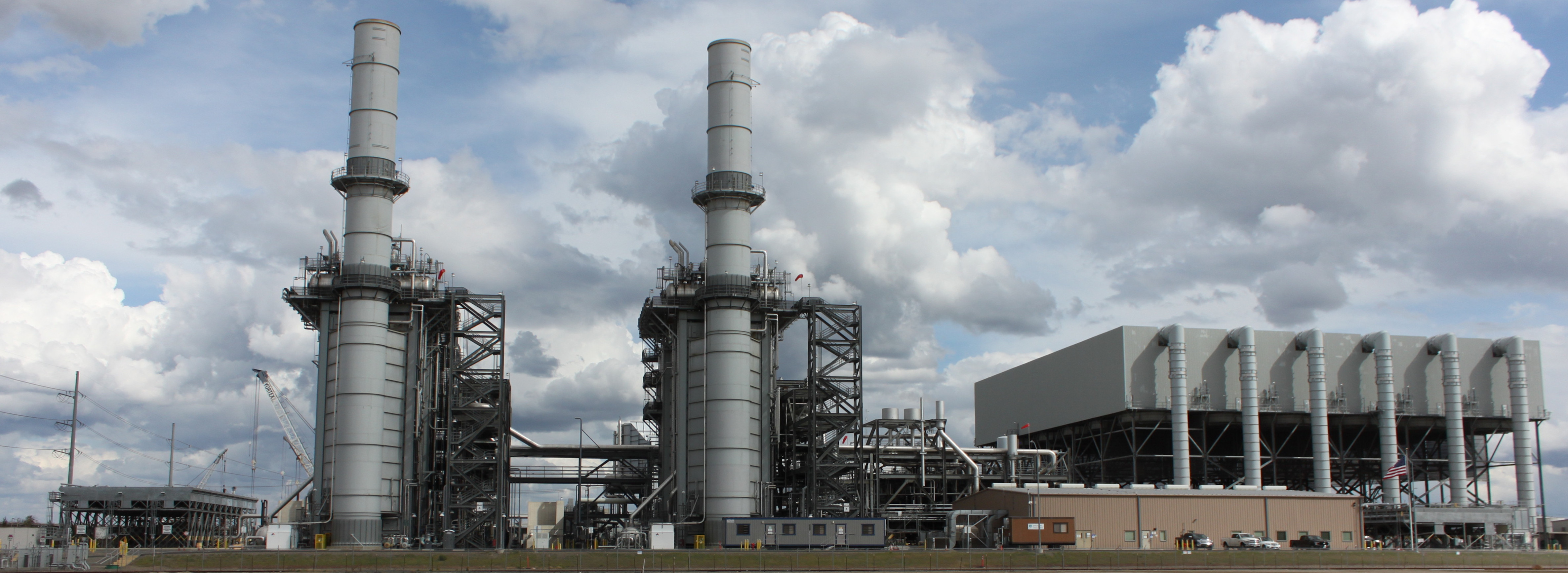
The severe-service core is real. Feedwater regulators fight cavitation at startup, when thousands of psi drop across the valve into a low-pressure drum. Attemperator spray valves quench superheater hardware by hundreds of degrees every time they open, which is why one industry journal calls attemperation the number one enemy of heat recovery steam generators. Drain and vent valves swallow flashing condensate at every start, and in a plant that cycles daily they are consumables in all but name. This core belongs to engineered trim and OEM part numbers. The opportunity around it is everything else.
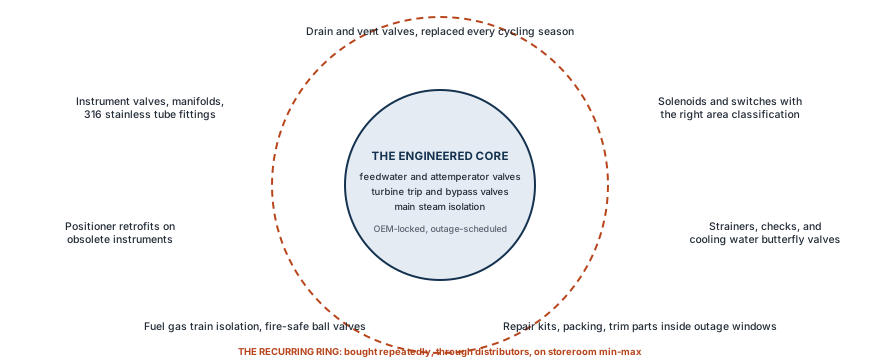
The steam plant's recurring stream
Every generating station, coal, gas, or biomass, buys the same things on repeat: metal-seated drain and vent valves, instrument valves and stainless tube fittings on every transmitter and gauge line, strainer baskets, check valves, packing, and gaskets. Emergency spares cost three to five times planned procurement, and an unplanned outage runs into hundreds of thousands of dollars a day, which is why storerooms stock and why same-day answers matter.
We already live in this stream. We source internals for installed control valves, including reheat spray valve trim and repair kits, and we supply the strainers, checks, and small-bore stainless that turn over every season. When the part is obsolete, we find the retrofit path instead of shrugging.
The obsolete installed base
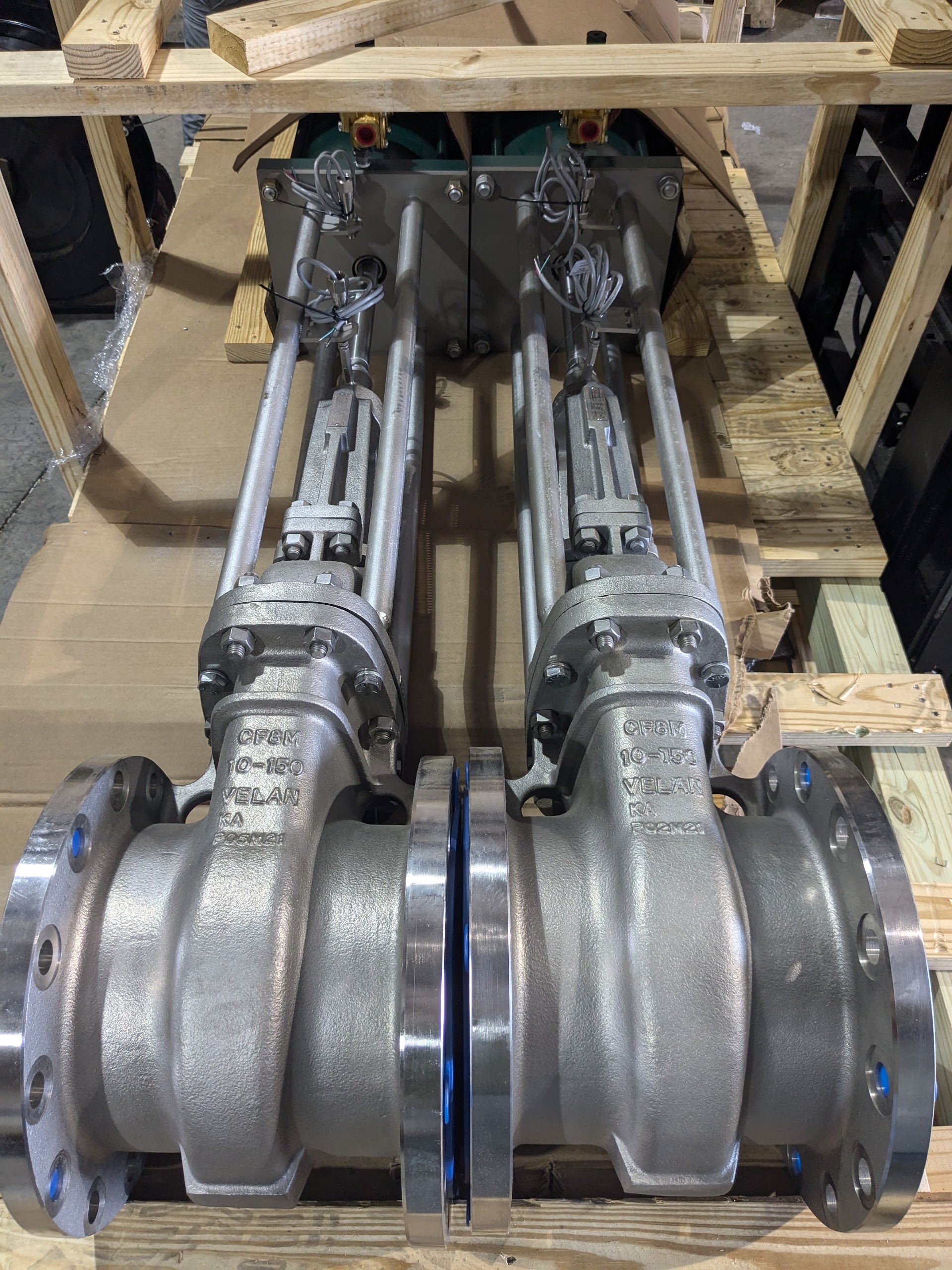
American plants run on decades-old populations of Fisher, Masoneilan, and Samson control valves, and the OEMs formally obsolete their positioners and instruments on a published schedule. The modern answer is a digital positioner retrofit: swap the obsolete pneumatic unit for a smart HART device on the actuator you already own, gaining diagnostics without touching the valve body. It is a small-dollar line item with a large reliability payoff, and it works across brands.
Positioner retrofits regardless of brand are a specialty of ours. The mounting-kit library we work from covers on the order of 150 actuator brands, and we ship the positioner mounted, calibrated, and bench-tested when you send us the actuator, or as a kit when you do not. Our shop also carries the field-service habits this work needs: we have billed shop evaluation and repair on installed control valves, and our Samson and Fisher application knowledge runs deep.
Fuel gas and hazardous areas
Gas-fired plants and gas infrastructure carry a dense valve population with paperwork attached. Fuel trains run double-block-and-vent shutoff arrangements under NFPA 85, headers want fire-safe ball valves tested to API 607, and every electrical accessory in a classified area, solenoid, switch, transmitter, or electric actuator, must carry the matching rating. One expensive misconception worth correcting: Division 2 does not automatically require explosion-proof construction. Properly listed nonincendive equipment is usually the correct and far cheaper answer.
Hazardous-area assemblies are routine work here. We have shipped over 90 orders with Class I Division 1 and 2 content since 2024, and the solenoid lines we standardize on carry current SIL certification. We build the assembly to the area classification and supply the certs with the hardware.
Gas utilities: the quiet valve market
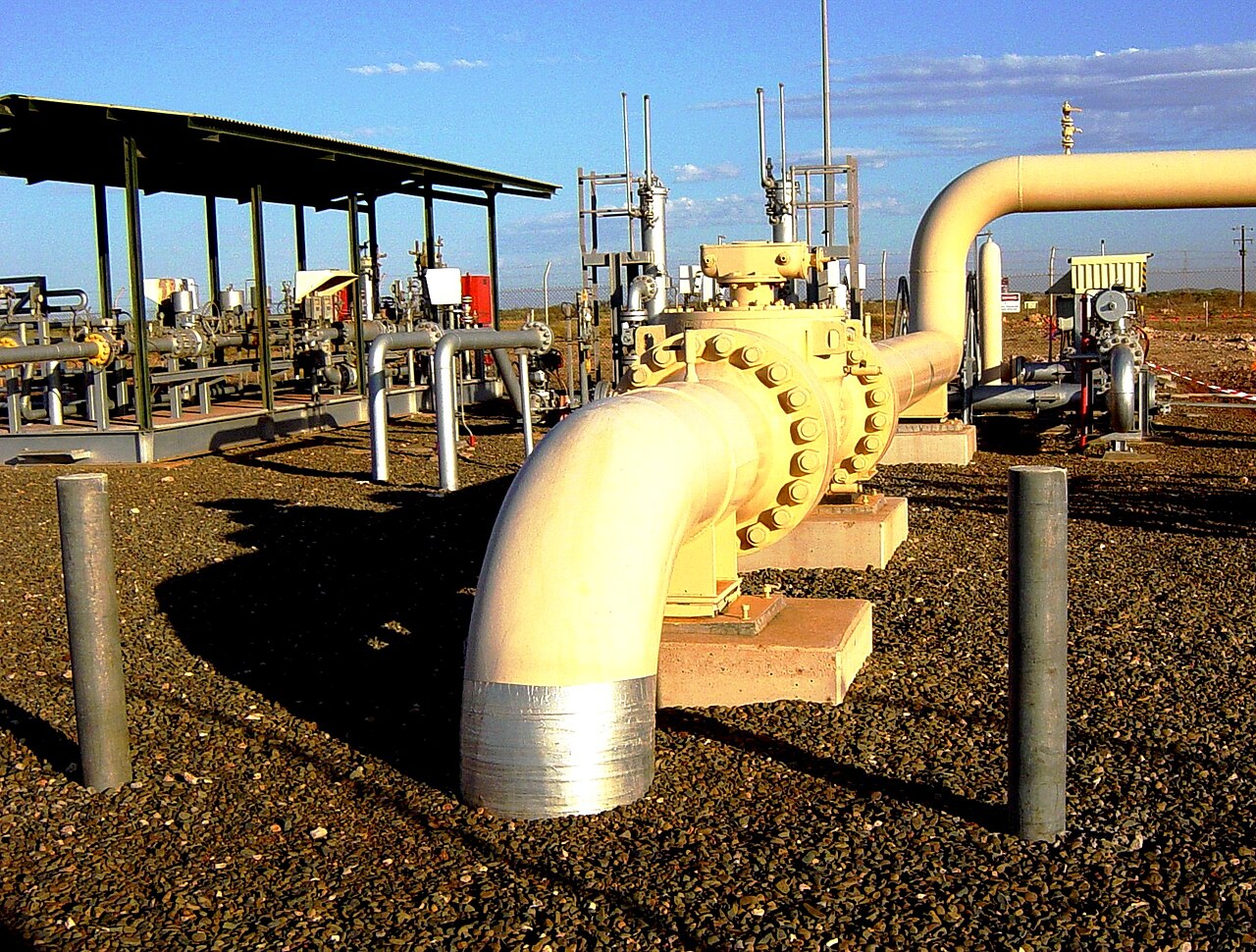
Gas utility infrastructure is a valve business hiding in plain sight. City gate and district regulator stations are numerous, standardized, and maintained on a rolling schedule under federal pipeline rules. LNG peak-shaving plants, and Georgia's gas utility operates three of them, cycle equipment between cryogenic and ambient temperature, which wears seals and creates a permanent repair-kit stream. Under all of it runs the highest-frequency purchase in the sector: 316 stainless instrument tubing, fittings, needle valves, and gauges, bought continuously by the same maintenance planners.
A Southeast natural gas utility family reorders exactly this stream from us, stainless instrumentation fittings, solenoids, and electric actuators, across its LNG plants and district operations. The LNG side runs on our extended-bonnet cryogenic ball valves and their repair kits, and a district operation runs our ProMation electric actuators today. Power equipment OEMs are part of this world too: two transformer manufacturers have placed over 50 repeat-spec orders with us for oil isolation and sampling valves.
The calendar is the strategy
Outages cluster in spring and fall, scoping starts a year or more ahead, and the emergency season is the outage itself. A supplier who knows what is installed, stocks what wears, and answers inside the window is worth an approved-vendor slot. We buy direct from most valve manufacturers in the country, we ship assemblies mounted and tested as one part number, more than half of everything we ship leaves as a complete automated assembly, and we try to turn every quote in 24 hours. Send us the nameplate and the service conditions, and judge us on the response.
Applications
Products for Power Generation
Flowserve
Crane Fluid Systems
Jarecki Valves
OMC Americas
Fairchild Industrial Products
Fox Thermal Instruments
Need Valves for Power Generation?
FTS has been supplying Georgia's power generation industry for over 25 years. Tell us about your application and we'll recommend the right products.
Request a Quote