Chemical Processing
Chemical processing demands valves that withstand corrosive media, extreme temperatures, and high pressures. FTS has served Georgia's chemical processing industry for over 25 years, supplying lined butterfly valves, alloy ball valves, and precision control valves from manufacturers like Flowserve, Flo-Tite, and Crane. Our application experience spans acids, caustics, solvents, and specialty chemicals across batch and continuous processes.
Common Valve Applications in Chemical Processing and How FTS Approaches Them
In most industries the valve question is pressure and temperature. In chemical processing it is corrosion first, and everything else second. The media eats the valve before the service conditions ever get a vote, which is why this industry runs on linings, alloys, sleeves, and paperwork, and why it is quietly the biggest thing we do.
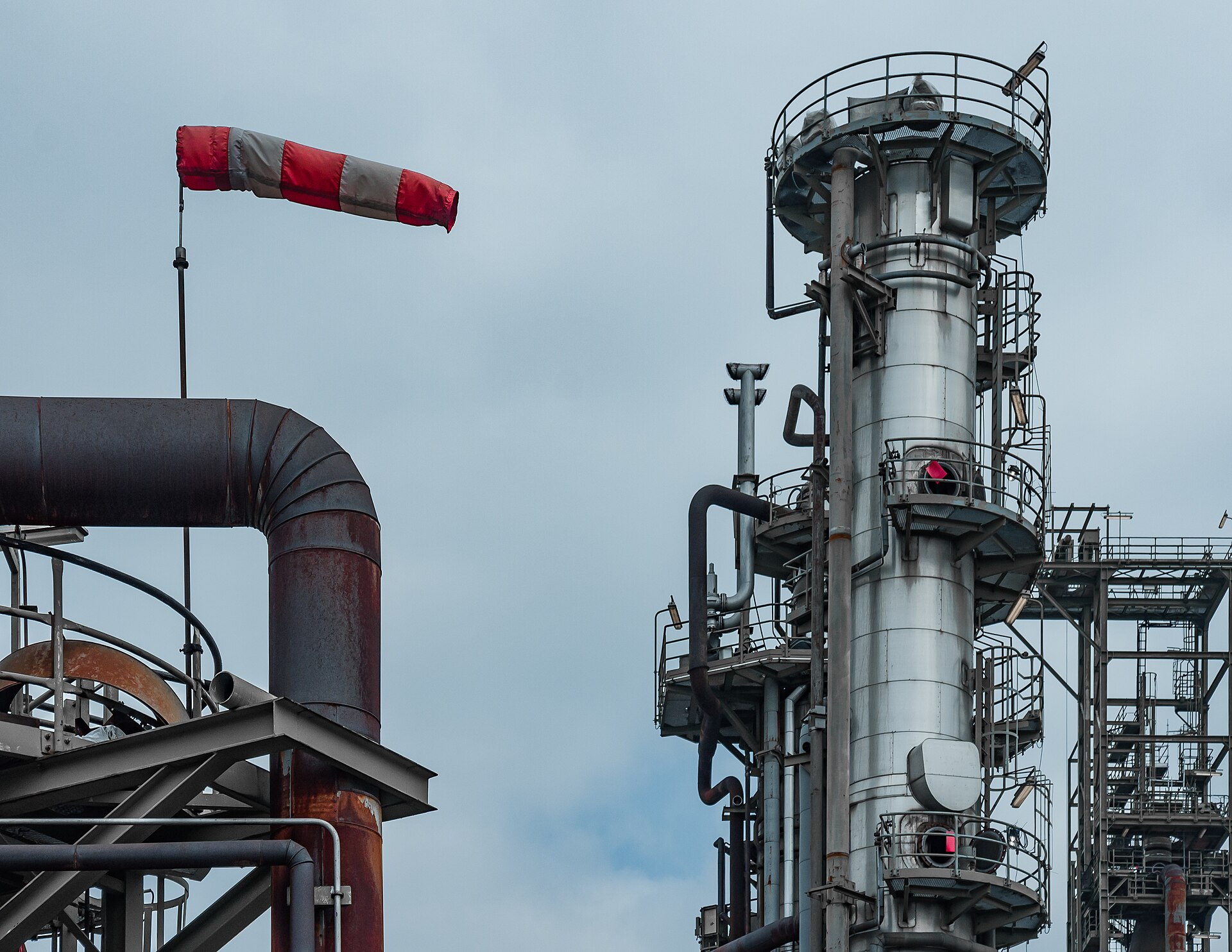
Lined or alloy: the first question on every corrosive line
Acid and caustic service comes down to one decision. PTFE and PFA linings are inert to nearly everything a chemical plant handles, hydrochloric, sulfuric, nitric, caustic, chlorine compounds, mixed wastes, while alloys are selective: Hastelloy shines in hot hydrochloric but suffers in oxidizing acids, and Alloy 20 was built for sulfuric but is not the caustic answer. A solid-alloy valve can cost ten to twenty times its lined equivalent with no performance advantage in most acid services. The lined valve loses only where temperature climbs past what the fluoropolymer tolerates, or where abrasive solids ride along with the corrosion and groove the soft liner. Caustic adds its own trap: stainless steel stress-cracks in hot sodium hydroxide, which is why plain carbon steel bodies, counterintuitively, remain standard on many caustic lines.
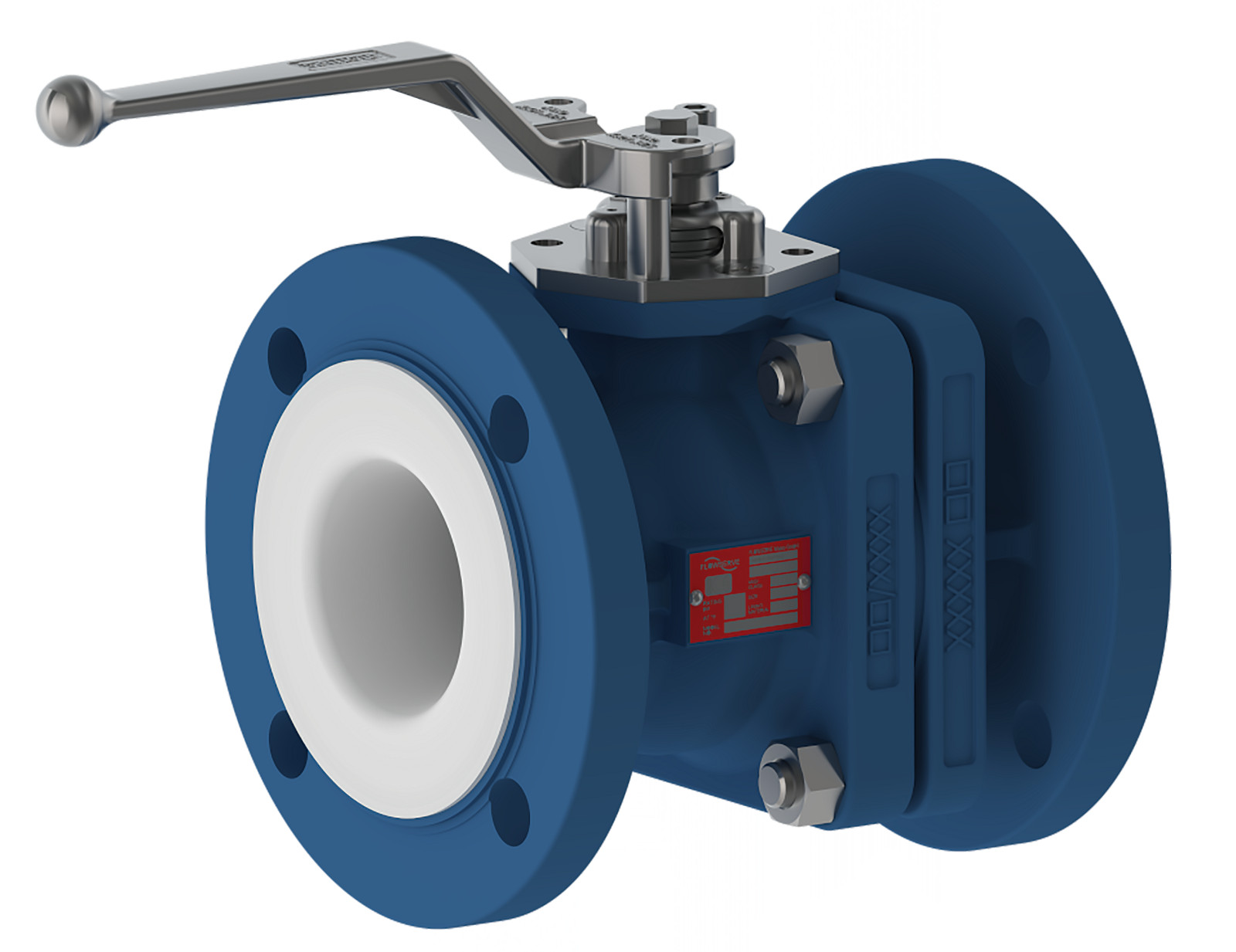
We carry both answers. PFA-lined butterfly and ball valves, including the Max-Seal Chem-Flo lined series, alongside stainless, Alloy 20, and Hastelloy-trim lines, and we ask what is in the pipe, at what concentration and temperature, before anything gets quoted. The expensive mistake in this industry runs both directions: buying exotic alloy where a lined valve would do, and putting a lined valve where solids will destroy it. Materials-to-media matching is the thing our desk does all day.
The plug valve that refused to die
Chemical plants kept the plug valve long after other industries moved on, and for good reason. The sleeved plug design, made famous by Durco, wraps the tapered plug in a pressure-energized PTFE sleeve, so the seal is a large wiping surface instead of a small seat land. That means drop-tight shutoff in dirty, crystallizing, polymerizing media, no body cavity for product to hide and cure in, and a seal you can restore in line by retorquing the cover. Plants standardized on these valves decades ago, and the installed base wants like-for-like replacements with the right sleeve, the right body alloy, and the right documentation.
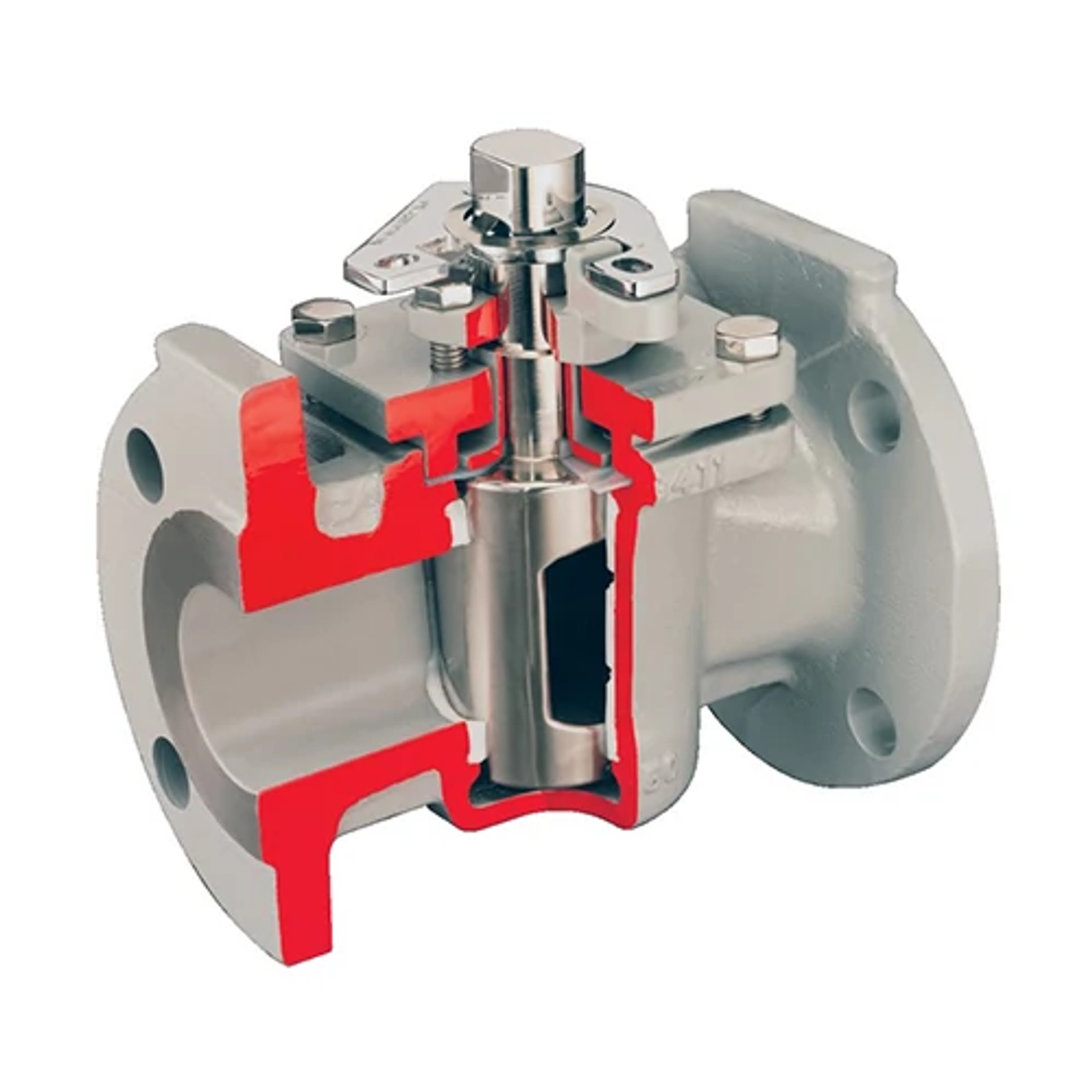
Durco is on our line card, and sleeved and lined plug valves are working inventory for us, not a special order. A major coatings plant buys its PTFE-sleeved three-way plug valves through us to the same configuration, order after order. When your installed base is forty years of one design, the supplier who can cross-reference it exactly, sleeve, body, alloy, and flow arrangement, is worth keeping.
Batch plants: valves as wear parts
Specialty chemicals, resins, and surfactants run as batch processes: charge the reactor, react, drain, clean, repeat. A charge valve on that cycle sees thousands of operations a year, which turns seats, sleeves, and actuators into scheduled wear parts rather than permanent installations. The automation matters as much as the valve: sequenced pneumatic packages with solenoids, position feedback, and fail-safe positions chosen per line, because a reactive charge line that fails open is a process safety event.
Automated assemblies are our core product. Valve, actuator, solenoid, switches, and positioner, mounted, tested, and fail position verified, shipped as one part number. Our largest program runs exactly this way: a repeat-configured butterfly assembly for the wood-preservation industry, built to the same specification thousands of times and drop-shipped to treating plants across the country, with the repair kits and spares stream behind it. Cycle-duty valves need a supply rhythm, not a one-time sale, and that rhythm is our specialty.
Chlorine and the genuinely nasty services
Dry chlorine has its own rulebook, Chlorine Institute Pamphlet 6, and it is specific: carbon steel bodies with Hastelloy C ball and stem, seats and packing selected for the service, a relief hole in the ball so trapped liquid chlorine can vent its thermal expansion, which makes the valve one-directional, and every valve degreased to a documented procedure, tested, and sealed in barrier packaging before it ships. Other toxic services push further, into bellows-sealed stems where any leak at all is a safety event.
The Worcester chlorine-service ball valve line built to Chlorine Institute Pamphlet 6 is part of the Flowserve portfolio we distribute, and we understand what the preparation and packaging requirements mean on a purchase order. When the service is toxic, the paperwork is part of the product, and we supply both.
Emissions rules now buy valves
Fugitive-emissions enforcement has become a real purchasing driver. Leak detection and repair programs sniff every valve stem with EPA Method 21, consent decrees push plants toward certified low-emission valves and packing at every turnaround, and the test standards behind those claims, API 622 for packing, API 624 and 641 for valves, ISO 15848-1 internationally, have turned stem sealing into a certification exercise. EPA's 2024 chemical-sector rule tightened monitoring further, including monthly checks on ethylene oxide equipment. Every leaker found is a valve or packing purchase, usually urgent.
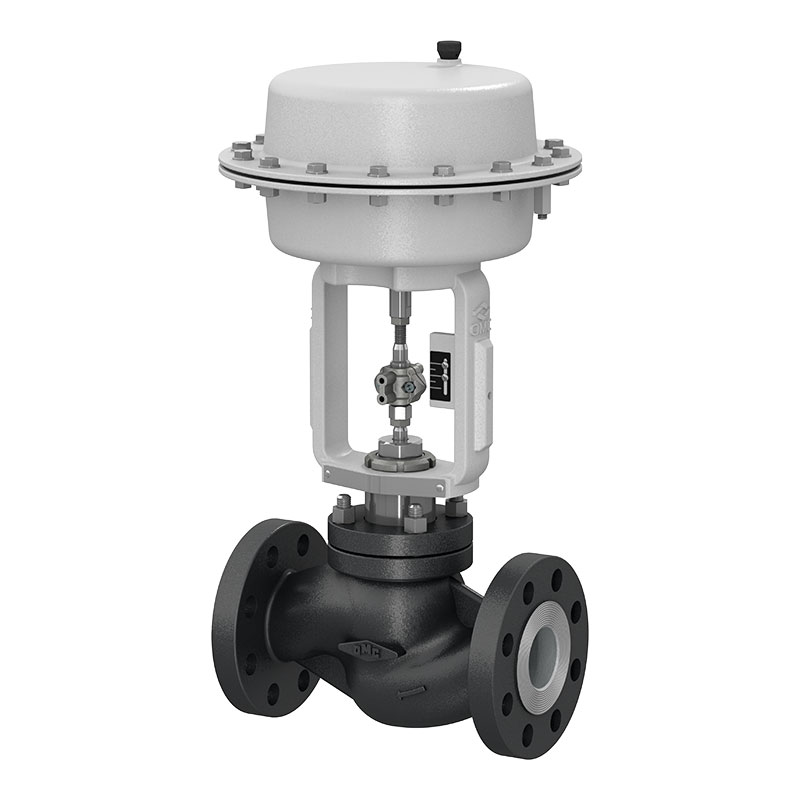
We supply certified low-emission valves and packing across our lines, including OMC control valves qualified to ISO 15848-1, and we can repack or retrofit what is already installed. When the environmental group hands maintenance a leaker list, we are the call that turns it into fixed valves before the next audit.
Hazardous areas, turnarounds, and the clock
Solvent and flammable-vapor areas are electrically classified, and everything on the valve, solenoid, switchbox, positioner, actuator, must carry the matching rating with the documentation a process-safety auditor will ask for. Under OSHA's process safety management rule, a wrong-material substitute valve is a compliance finding, not a maintenance shortcut, so exact cross-references and material certs are part of the job. And the calendar is unforgiving: turnaround scope locks months ahead, stocked alloy ships in days while OEM legacy replacements can run the better part of a year, and every gap between those two is where a stocking distributor earns its place.
We have shipped over 90 orders with hazardous-area content since 2024, built as complete Class I Division 1 and 2 assemblies with the certs attached. We hold your configuration, we stock the wear stream, and we try to turn every quote in 24 hours. Send us the worst line in the plant and judge us on the answer.
Applications
Products for Chemical Processing
Flowserve
Flo-Tite
Crane Fluid Systems
Alloy Valves and Controls
OMC Americas
Fairchild Industrial Products
Krohne USA
Need Valves for Chemical Processing?
FTS has been supplying Georgia's chemical processing industry for over 25 years. Tell us about your application and we'll recommend the right products.
Request a Quote